Why pedestrian safety?
Pedestrian safety is a growing concern throughout Milwaukee County. It can be easy to think that the problem lies only with the City of Milwaukee, but from 2019-2023 the rest of the county saw 530 pedestrian-involved motor vehicle crashes.1 Of those crashes, there were 20 fatalities and 136 life-changing injuries. This is part of a larger national trend. After a 30+ year national decline in pedestrian fatalities, numbers started climbing again after 2009.2 In 2021, pedestrians accounted for 17% of all national traffic deaths.
Walking is often described as “alternative transportation”, but it is the original form of human movement. Walking, running, strolling, and rolling increase physical activity while decreasing the environmental impact of cars (air pollution, traffic congestion, noise).3 However, without a car to protect them, pedestrians are vulnerable to injury and fatality from the motor vehicle traffic around them. Data also shows that communities of color and lower-income communities experience a higher burden of these traffic injuries.4 Pedestrians are benefitting their communities by reducing motor vehicle traffic and increasing physical activity levels; in turn, communities need to prioritize pedestrian safety.

What We Do

Our programming focuses on educating and engaging the public on the issue of pedestrian safety in Milwaukee County.
Crosswalk Actions
Crosswalk Actions promote pedestrian rights and safety on-location within a neighborhood. MKE Walks collaborates with the community through public demonstrations in order to bring attention to the crosswalk area as a safety zone where cars are required by law to yield and stop, allowing pedestrians to cross the street safely.
Paint the Pavement
Colorful crosswalks, sidewalks, and traffic circles encourage drivers to slow down and be more aware, creating safer conditions for vulnerable road users. MKE Walks partners with community groups to “paint the pavement” in areas with high injury rates. Plus, it adds brightness and cheer!
Collaboration with Community Partners
MKE Walks collaborates with community partners to host events such as block parties, community walks, book clubs, data collection and more.
Yard Signs & Art
Yard signs and other art can be a great way to remind drivers of their responsibility to slow down and yield to pedestrians. MKE Walks creates and distributes yard signs for free!
Community Education
Whether it’s through classes, resource fairs, playground activities, or pop-up tabling, MKE Walks provides people of all ages with safe streets educational materials and activities. Want us to come talk to your class or neighborhood group? Email rachelg@wisconsinbikefed.org to get something scheduled!
Our Team
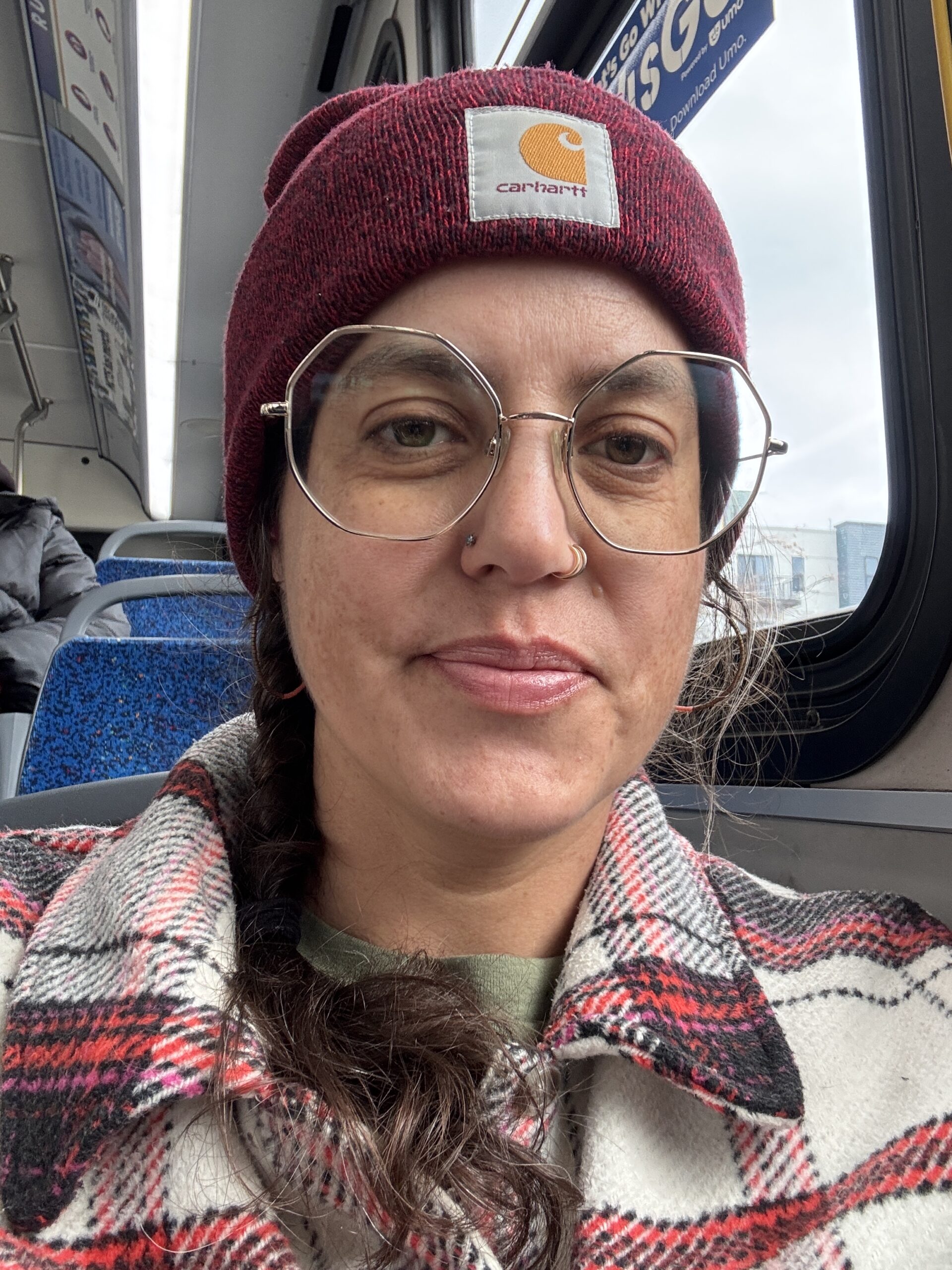
Rachel Goochey (she/her)
Program Manager
Rachel became interested in active transportation when she moved to Chicago for college and started walking everywhere. She studied public health in graduate school and is fascinated by the intersection of transportation systems and community health. Rachel loves walking, biking, and busing around town and the opportunities it gives her to notice things like new restaurants, funny graffiti, and baby bunnies. She lives in Milwaukee with her husband, three kids, and two ridiculous dogs.
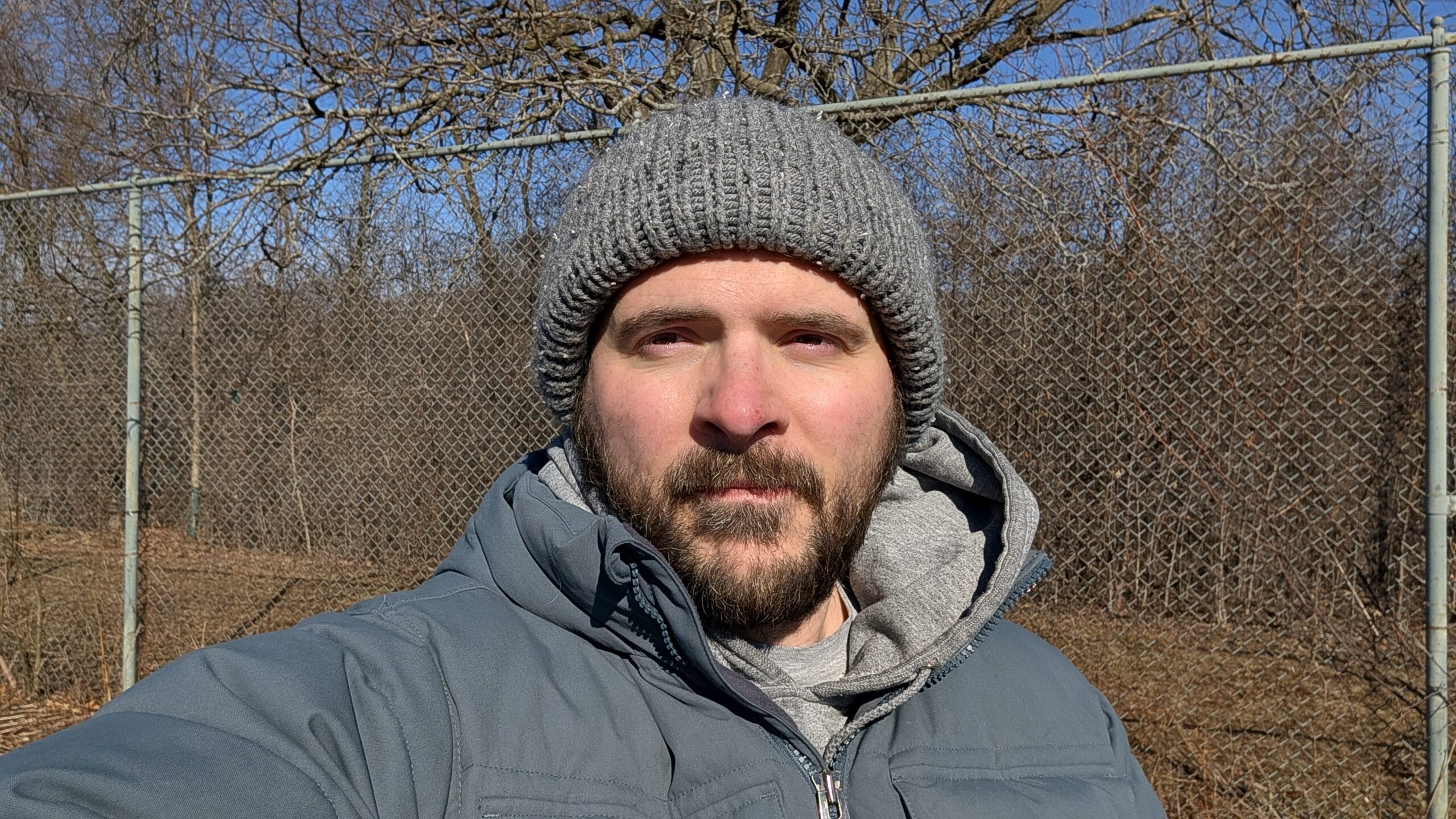
Zach Glembin
(he/him)
Community Coordinator
zachglembin@wisconsinbikefed.org
Zach is passionate about public service and has spent his career working in schools and community based organizations to improve equity and quality of life for people of all backgrounds. He is excited to support the mission of MilWALKee Walks and advocate for safer conditions for pedestrians in Milwaukee County. Zach enjoys going to local community events and festivals with family, walking his dogs in a variety of parks and playing Guitar Hero!

April Rammer (she/they)
Program Assistant
April has spent most of their career in direct-service, public health roles focusing on youth development, homelessness, and mental health. She is passionate about collaborative resource building through harm reduction and anti-oppression frameworks. April’s interests include hiking, writing, ceramics, axiology, painting, somatics, biking, and kayaking. They are excited to join the MilWALKee Walks Program to help make Milwaukee a safer place to walk and roll.
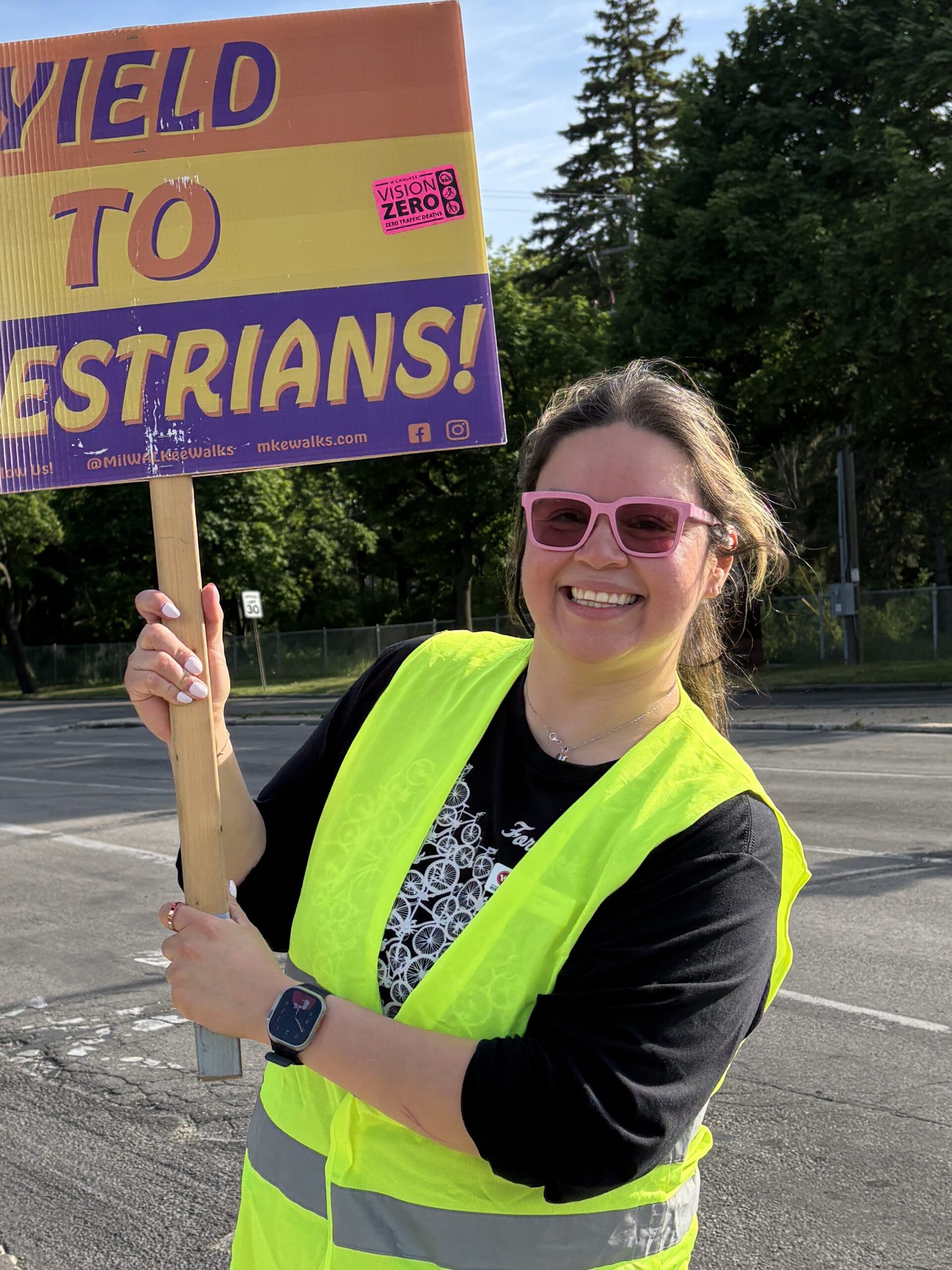
Nico Alamilla (she/they)
MKE Walks Ambassador
nicoalamilla@wisconsinbikefed.org
Nico Alamilla is an enrolled tribal member of the Forest County Potawatomi Nation of Wisconsin. She brings experience in tribal government, conservation, and community engagement. She is dedicated to helping build healthier, more connected, and active communities.
- Milwaukee County Department of Transportation. (2024). Milwaukee County Motor Vehicle Collision Dashboard [Data Dashboard]. Retrieved July, 30, 2024 from https://experience.arcgis.com/experience/a3addf03ee3c41c4abfe2c480fdd2d20/page/Crash-Trends/ ↩︎
- Kirley, B. B., Robison, K. L., Goodwin, A. H., Harmon, K. J. O’Brien, N. P., West, A., Harrell, S. S., Thomas, L., & Brookshire, K. (2023, November). Countermeasures that work: A highway safety countermeasure guide for State Highway Safety Offices, 11th edition, 2023 (Report No. DOT HS 813 490). National Highway Traffic Safety Administration. https://www.nhtsa.gov/book/countermeasures/countermeasures-that-work ↩︎
- Stoker, P., Adkins, A., & Ewing, R. (2017). Pedestrian safety and public health. In Walking (Vol. 9, pp. 211–229). Emerald Publishing Limited. https://doi.org/10.1108/S2044-994120170000009013 ↩︎
- Mitsova, D., Dumbaugh, E., & Saha, D. (2021). Crash risk for low-income and minority populations: An examination of at-risk population segments and underlying risk factors. Collaborative Sciences Center for Road Safety. https://www.roadsafety.unc.edu/research/projects/2019r31/ ↩︎